Taking the first step towards counselling can feel a little daunting, especially when you’re not quite sure what to expect.
You might wonder what you’ll be asked, whether you’ll know what to say or if you’ll feel comfortable talking about personal experiences with someone you’ve only just met.
Perhaps you’ve been considering counselling for a while but keep putting it off because you’re feeling nervous or uncertain.
If any of this sounds familiar, you’re certainly not alone.
The good news is that your first counselling session isn’t about having all the answers or knowing exactly where to begin.
It’s an opportunity to settle into a supportive environment, ask questions, get to know your counsellor and begin exploring what has brought you to counselling.
At JS Holistic Counselling in Katoomba, Jannette Sakkouri understands that reaching out for support can be a significant step. Her compassionate, person-centred approach allows you to explore your experiences at a pace that feels comfortable for you.
Let’s take a closer look at what you might expect from your first counselling appointment.
1. You’ll Be Welcomed Into a Calm, Supportive Environment
Your first counselling session begins with an opportunity to settle in and become familiar with your surroundings.
For some people, simply walking through the door can feel like the hardest part.
You might arrive feeling nervous, emotional, uncertain or even relieved that you’ve finally taken this step.
There’s no right or wrong way to feel.
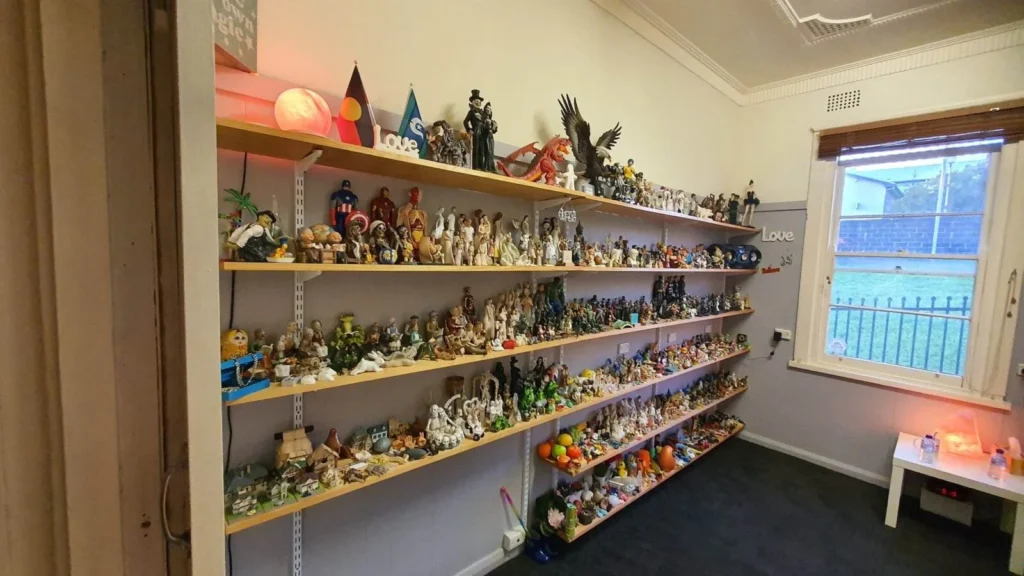
At JS Holistic Counselling, the aim is to provide a welcoming, respectful environment where you can begin to feel comfortable.
Your first appointment isn’t an interview or a test. You won’t be expected to immediately discuss your most personal experiences.
Instead, it’s an opportunity to begin building a comfortable, trusting relationship with your counsellor.
2. Your Counsellor Will Explain How Counselling Works
Before exploring what’s brought you to counselling, your counsellor will generally explain how the counselling process works.
This may include discussing:
- What you can expect during counselling appointments.
- How confidentiality works and its important limits.
- Your rights and responsibilities as a client.
- How personal information is handled.
- The counsellor’s approach and the types of support available.
- Practical arrangements such as appointment times, fees and cancellations.
You’ll also have an opportunity to ask questions.
Confidentiality is an important part of counselling, as it helps create an environment where people can discuss personal concerns with greater confidence.
However, confidentiality isn’t absolute. Your counsellor should explain circumstances where information may need to be disclosed, such as certain safety concerns or legal obligations.
Understanding these arrangements can help you feel more informed and comfortable before deciding what you’d like to share.
3. You Can Share What’s Brought You to Counselling
One of the most common worries about attending counselling for the first time is not knowing what to say.
You might wonder whether you need to prepare something in advance or explain everything that’s been happening in your life.
The answer is simple: You don’t need to arrive with a perfectly organised explanation of how you’re feeling.
Some people begin by talking about a particular issue, such as relationship difficulties, stress, grief or a challenging life transition.
Others might simply say they’ve been feeling overwhelmed, disconnected or unsure of themselves.
You may even find it difficult to put your feelings into words.
That’s okay too.
Your counsellor can help guide the conversation through gentle questions and attentive listening.
You might discuss what’s been happening recently, how you’ve been feeling and what you’d like to be different in your life.
There’s no expectation that you explain your entire life story in your first appointment.
4. You Can Take Things at Your Own Pace
Counselling is a personal experience, and everyone approaches it differently.
Some people feel comfortable opening up quite quickly, while others need more time to develop trust and confidence.
Both experiences are completely valid.
You may find yourself talking openly about something that’s been weighing on your mind, or you might prefer to begin with more general concerns.
You are allowed to take your time.
If something feels difficult to discuss, you can let your counsellor know.
You can ask questions, request clarification or explain that you’re not ready to explore a particular subject.
A person-centred approach recognises that you are the expert on your own experiences and that counselling should respect your individual needs, preferences and boundaries.
The first session is often as much about getting to know the counselling process as it is about sharing your concerns.
5. You’ll Begin Exploring What You Hope to Gain From Counselling
During your first appointment, your counsellor may ask what you’re hoping to gain from counselling.
For some people, the answer is relatively clear.
You might want support with managing stress, improving relationships, processing grief or navigating a difficult decision.
For others, the answer may be less certain.
Perhaps you know something doesn’t feel quite right, but you’re still trying to understand what’s happening.
You don’t need to have specific goals already worked out.
Your counsellor can help you explore what matters to you and what you might like to work towards.
Depending on your circumstances, this could involve developing greater emotional awareness, understanding relationship patterns, exploring difficult experiences or finding healthier ways to manage everyday challenges.
These conversations can provide an initial direction for future sessions, but your goals can evolve as counselling progresses.
6. You Can Ask Questions at Any Time
Your first counselling session is also an opportunity for you to decide whether the counsellor and their approach feel right for you.
A comfortable therapeutic relationship is an important part of the counselling process.
It’s perfectly reasonable to ask questions such as:
- What does a typical counselling session involve?
- How often might I attend appointments?
- What if I’m not sure what I want to talk about?
- Can I discuss more than one concern?
- What happens if I become emotional during a session?
- How will we know whether counselling is helping?
You might also want to know more about your counsellor’s qualifications, experience or therapeutic approach.
Asking questions doesn’t make you difficult or demanding. It helps you make informed decisions about your own wellbeing.
7. What Happens at the End of Your First Session?
Towards the end of your appointment, your counsellor may spend some time reflecting on what you’ve discussed.
This might involve identifying some of the concerns you’ve raised, talking about what felt helpful and exploring possible next steps.
If you’d like to continue counselling, you can discuss future appointments and how the sessions might be structured.
You’re not expected to resolve your difficulties in one appointment.
For some people, the first session brings a sense of relief. Others may leave feeling thoughtful, emotional or unsure about what comes next.
All of these responses can occur.
Counselling is a process, and meaningful changes often take time.
Do You Need to Prepare for Your First Counselling Session?
You don’t need to do anything elaborate before attending your first appointment.
However, if it would help you feel more comfortable, you might consider a few simple preparations.
You could spend a little time reflecting on what has encouraged you to seek counselling or write down any questions you’d like to ask.
You might also make a note of particular concerns you don’t want to forget.
If you’re feeling nervous, remember that you can tell your counsellor.
You don’t need to pretend you’re comfortable or confident if you’re not.
And if you arrive without knowing where to begin, that’s perfectly okay.
Simply turning up and being open to the experience is enough for a starting point.
What If You Become Emotional During Counselling?
It’s understandable to worry about becoming upset or emotional when discussing personal experiences.
Some people are concerned they might cry, struggle to speak or feel embarrassed about sharing difficult feelings.
Counselling provides a space where emotions can be explored respectfully and without judgement.
If you become upset, you can take a moment, slow down or let your counsellor know what you need.
You don’t have to apologise for feeling emotional.
Equally, you don’t need to cry or display strong emotions for counselling to be meaningful.
Everyone expresses and processes feelings differently.
Is Counselling Only for People Experiencing Serious Difficulties?
Not at all.
While some people seek counselling during periods of significant emotional distress, others attend because they want to better understand themselves, strengthen relationships or navigate everyday challenges.
People may seek counselling for many reasons, including:
- Stress and emotional exhaustion.
- Relationship or communication difficulties.
- Grief and loss.
- Family challenges.
- Life transitions and major decisions.
- Low confidence or self-esteem.
- Feeling overwhelmed or disconnected.
- Personal growth and greater self-understanding.
You don’t need to wait until life feels unmanageable before exploring whether counselling might be helpful.
Seeking support can be a positive step towards understanding yourself and looking after your emotional wellbeing.
A Gentle, Person-Centred Approach at JS Holistic Counselling
At JS Holistic Counselling, Jannette Sakkouri offers compassionate, person-centred counselling for individuals, couples and families.
Based in Katoomba, her holistic approach recognises that our emotional wellbeing is influenced by many interconnected aspects of life, including relationships, experiences, personal circumstances and everyday responsibilities.
Jannette aims to provide a welcoming, non-judgemental environment where clients can feel heard, respected and supported.
Whether you’re navigating a difficult time, exploring personal concerns or simply looking for a space to talk, counselling can offer an opportunity to better understand your feelings and experiences.
JS Holistic Counselling welcomes clients from Katoomba, Leura, Wentworth Falls, Blackheath, Springwood and surrounding Blue Mountains communities.
To learn more, visit the Blue Mountains Counselling Services page.
Frequently Asked Questions About Your First Counselling Session
Will I have to talk about everything in my first counselling session?
No. You can share what’s comfortable for you, and you don’t have to discuss every concern during your first appointment. Counselling allows time to gradually explore your experiences.
What if I don’t know what to say?
It’s common to feel unsure where to begin. Your counsellor can help guide the conversation through questions and supportive discussion. You don’t need to prepare a speech or have everything worked out.
Will my counsellor judge me?
Counselling aims to provide a respectful, non-judgemental environment where you can explore your thoughts and feelings openly. A professional counsellor should approach your experiences with compassion and respect.
Is everything I say in counselling confidential?
Counselling is generally confidential, subject to important legal, ethical and safety-related exceptions. Your counsellor should explain confidentiality and its limits so you understand how your information is handled.
What if I don’t feel comfortable during my first session?
You can let your counsellor know how you’re feeling, ask questions or discuss any concerns. It’s important that you feel comfortable with the counselling relationship, and you have a choice about whether to continue.
How many counselling sessions will I need?
There isn’t one answer that applies to everyone. The number of sessions depends on your circumstances, goals and preferences. Your counsellor can discuss your options as you progress.
Where can I find counselling in Katoomba?
JS Holistic Counselling is located at 29 Parke Street, Katoomba NSW 2780, offering counselling support for individuals, couples and families throughout the Blue Mountains.
Taking the First Step Towards Counselling
If you’ve been thinking about counselling but feel nervous about making that first appointment, remember that uncertainty is a normal part of trying something new.
You don’t have to know exactly what to say.
You don’t need to have every question answered.
And you certainly don’t need to have everything figured out.
Your first counselling session is simply a place to begin.
At JS Holistic Counselling, Jannette offers a compassionate space where you can explore your experiences at a pace that feels right for you.
If you’re ready to find out more, you’re welcome to get in touch.
JS Holistic Counselling
Address: 29 Parke Street, Katoomba NSW 2780
Phone: 0418 438 700
Website: jsholisticcounselling.com
Taking the first step doesn’t mean you need to have all the answers. It simply means giving yourself the opportunity to be heard and supported.